According to the Bible, the concept of the Second Adam refers to Jesus Christ. The term “Second Adam” is derived from the writings of the apostle Paul in the New Testament. In 1 Corinthians 15:45, Paul describes Jesus as the “last Adam” or the “second man.”
The first Adam, referring to Adam in the book of Genesis, was created by God and represented all of humanity. However, through Adam’s disobedience, sin entered the world, leading to the fallen state of humanity.
In contrast, Jesus is referred to as the Second Adam because he came to redeem humanity from sin and restore the relationship between God and humanity. Jesus lived a sinless life, died on the cross for the sins of humanity, and was resurrected, providing salvation and eternal life to all who believe in him.
Paul elaborates on this concept in Romans 5:12-21, where he compares the effects of Adam’s sin and Jesus’ obedience. He presents Jesus as the new representative of humanity, offering forgiveness and reconciliation with God through his sacrificial death and resurrection. Jesus’ victory over sin and death is seen as the reversal of the consequences brought by the first Adam’s disobedience.
Overall, the Second Adam, Jesus Christ, is a significant theological concept that emphasizes the redemptive work of Jesus and his role in restoring humanity’s relationship with God.
1. The First Adam: Creation and Fall
The story of the first Adam can be found in the book of Genesis in the Bible. According to the account, God created Adam as the first human being, shaping him from the dust of the earth and breathing life into him. Adam was granted the privilege of being made in the image of God and was placed in the Garden of Eden, a paradise-like environment.
As the representative of all humanity, Adam was given dominion over the animals and tasked with caring for the garden. He enjoyed a close relationship with God, walking and communing with Him in the cool of the day. Adam’s existence in the garden was characterized by innocence, harmony, and unhindered fellowship with God.
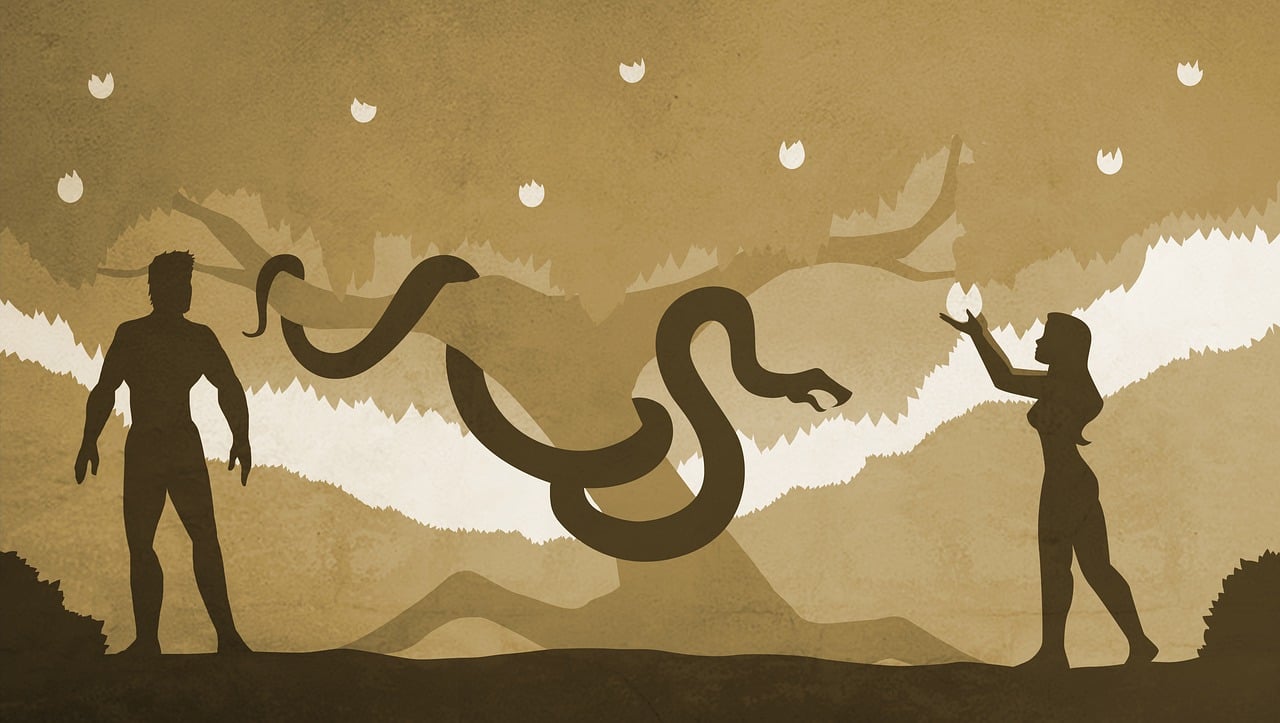
However, the story takes a tragic turn when Adam and his wife, Eve, were tempted by the serpent, who was Satan in disguise. Despite God’s warning not to eat from the tree of the knowledge of good and evil, Adam and Eve succumbed to the serpent’s deception and ate from the forbidden tree. This act of disobedience, known as the Fall, had significant consequences for Adam and Eve, as well as for all of humanity.
The Fall resulted in the introduction of sin into the world. Adam and Eve’s disobedience shattered their harmonious relationship with God and introduced a spiritual separation between God and humanity. The consequences of sin were not only spiritual but also affected the physical world, bringing about pain, suffering, and eventual physical death. The perfect state of the Garden of Eden was lost, and humanity was thrust into a fallen condition, tainted by sin and its repercussions.
Adam’s disobedience had far-reaching implications. As the representative of the human race, his sinful act affected all of his descendants. As the apostle Paul explains in Romans 5:12, “Therefore, just as sin entered the world through one man and death through sin, and in this way death came to all people because all sinned.”
The story of the first Adam serves as a foundational narrative that emphasizes the need for a Savior and underscores the significance of Jesus as the Second Adam. Adam’s failure highlights humanity’s inability to live in perfect obedience to God’s commands and emphasizes the necessity for divine intervention to restore the broken relationship between God and humanity.
In light of the Fall, the Second Adam, Jesus Christ, emerges as the solution to the problem of sin and its consequences. Through Jesus’ perfect life, sacrificial death, and resurrection, redemption, and restoration become possible. Jesus offers forgiveness of sins and the hope of eternal life to all who trust in Him. Through the Second Adam, humanity has the opportunity to be reconciled with God and experience the abundant life that was lost in the Fall.
2. Jesus Christ as the Second Adam
The designation of Jesus Christ as the Second Adam in the Bible highlights his unique and pivotal role in God’s plan of redemption for humanity. This concept draws parallels between Adam and Jesus while emphasizing the distinctiveness of Jesus as the new representative of humanity.
In contrast to Adam, who introduced sin and its consequences through his disobedience, Jesus, as the Second Adam, came to reverse the effects of sin and bring about redemption and restoration. The apostle Paul extensively explores this parallel, emphasizing the significance of Jesus’ life, death, and resurrection.
Unlike Adam, Jesus lived a sinless life, perfectly fulfilling God’s commands and demonstrating the righteous life humanity was meant to live. This purity qualified Jesus as the ideal representative for humanity, standing in stark contrast to the first Adam’s failure.
Through his sacrificial death on the cross, Jesus bore the weight of humanity’s sin, offering forgiveness and reconciliation with God. His death exemplified an act of love and served as a substitutionary atonement, bridging the gap between humanity and God.
Crucially, the resurrection of Jesus solidifies his role as the Second Adam. While Adam’s disobedience introduced physical death into the world, Jesus’ resurrection conquered death and offered the assurance of eternal life. Through rising from the dead, Jesus displayed his power over sin, death, and the grave, providing hope and victory to all who believe in him.
Moreover, Jesus brings about a new creation through faith in him. Believers are spiritually reborn and become participants in the new life he offers. This transformative experience is made possible through the indwelling of the Holy Spirit, empowering believers to live obediently to God.
Beyond individual salvation, Jesus establishes the kingdom of God, inaugurating a new order and ushering in God’s righteousness and peace. His life, teachings, and example serve as a model for believers, guiding them to emulate his character in their daily lives.
In summary, Jesus Christ as the Second Adam embodies the fulfillment of God’s redemptive plan. Through his sinless life, sacrificial death, and victorious resurrection, Jesus extends forgiveness, reconciliation, and eternal life to those who put their faith in him. He serves as the perfect representative of humanity, overturning the consequences of Adam’s disobedience and ushering in a new creation. Jesus as the Second Adam forms the foundation for hope, transformation, and the restoration of humanity’s relationship with God.
3. Redemption and Restoration
Redemption and restoration are central themes closely tied to the concept of the Second Adam, Jesus Christ. These aspects highlight the transformative nature of Jesus’ work in the lives of believers and the broader scope of his redemptive plan for all creation.
Redemption refers to the act of deliverance and liberation from the power and consequences of sin. The first Adam’s disobedience resulted in humanity’s enslavement to sin, leading to spiritual separation from God and the effects of sin in the world. However, Jesus, as the Second Adam, came to redeem humanity by offering himself as the ultimate sacrifice for sin. Through his sacrificial death on the cross, Jesus paid the price to free humanity from the guilt and power of sin. He bore the punishment that humanity deserved, providing a way for forgiveness and reconciliation with God.
Furthermore, redemption involves more than forgiveness of sins. It also entails restoration—a process of renewing and repairing what has been broken or damaged. Through faith in Jesus, individuals can experience a restoration of their relationship with God. They are spiritually reborn and receive the Holy Spirit, who works within them to transform their hearts and lives. This restoration process involves the gradual conforming of believers to the image of Christ and the development of godly character.
The scope of redemption and restoration extends beyond individuals to encompass all of creation. The impact of sin is not limited to humanity alone but has affected the entire created order. The apostle Paul describes how creation eagerly awaits its liberation from the effects of sin and looks forward to its ultimate restoration (Romans 8:20-21). In God’s ultimate plan, Jesus will bring about a new heaven and a new earth, where righteousness will reign (2 Peter 3:13). This comprehensive restoration involves the renewal and transformation of the entire cosmos, freed from the bondage of sin.
The work of redemption and restoration is not limited to the future; it has present implications for believers. Through the indwelling of the Holy Spirit, believers can experience the transformative power of redemption in their lives today. They are empowered to live in righteousness, love, and obedience to God. Additionally, believers are called to participate in God’s work of restoration in the world, spreading the message of reconciliation and contributing to the healing of brokenness and injustice.
The hope of redemption and restoration provides assurance and comfort to believers. It reminds them that the present age is not the final chapter and instills confidence in the ultimate fulfillment of God’s redemptive plan. The return of Jesus will mark the culmination of redemption and restoration when all things will be made new.
In conclusion, redemption and restoration are core aspects of the Second Adam’s work, Jesus Christ. Through his sacrificial death and resurrection, Jesus offers redemption from sin and its consequences, providing forgiveness, reconciliation, and spiritual transformation for believers. His redemptive work extends to the restoration of all creation, leading to the ultimate renewal of the cosmos. The present experience of redemption and restoration in the lives of believers and the hope for future fulfillment emphasize Jesus’ role as the Second Adam.
4. A Comparison of Adam and Jesus
A Comparison of Adam and Jesus helps to highlight the significance of Jesus as the Second Adam and the transformative impact of his life, death, and resurrection. By examining the parallels and contrasts between Adam and Jesus, we gain a deeper understanding of Jesus’ role in God’s redemptive plan.
Creation: Adam, the first man, was created directly by God from the dust of the earth. He was given the privilege of being made in the image of God and placed in the Garden of Eden. Similarly, Jesus, as the eternal Son of God, played a vital role in creation. The apostle John states that “all things were made through him” (John 1:3), emphasizing Jesus’ divine role in the creation of the world.
Representation: Adam served as the representative of all humanity. His disobedience resulted in the introduction of sin and its consequences into the world, affecting every person born after him. In contrast, Jesus is the representative of a new humanity. He lived a sinless life, fulfilling the righteous requirements of the Law. Through his obedience, Jesus offers a pathway to righteousness and reconciliation with God for all who believe in him.
The Fall vs. Redemption: Adam’s disobedience in the Garden of Eden led to the Fall, resulting in the separation of humanity from God, the introduction of sin, and its consequences. Jesus, as the Second Adam, came to reverse the effects of the Fall. Through his sacrificial death on the cross, he paid the price for humanity’s sin and provided a way for redemption and reconciliation. While Adam’s act brought condemnation, Jesus’ act brings salvation to all who put their faith in him.
Sin and Death: Adam’s sin brought spiritual and physical death into the world. The consequences of his disobedience affected all of humanity. However, Jesus, through his death and resurrection, conquered sin and death. He offers the gift of eternal life to those who believe in him. Paul writes, “For as in Adam all die, so also in Christ shall all be made alive” (1 Corinthians 15:22). Jesus’ victory over sin and death is a significant contrast to the consequences of Adam’s actions.
Restoration and New Creation: Adam’s disobedience led to the brokenness of the world and humanity’s separation from God. However, Jesus brings restoration and offers a new creation. Through faith in him, believers experience spiritual renewal, being reconciled to God and empowered to live in righteousness. Jesus inaugurates the kingdom of God, where all things will be made new, including a new heaven and a new earth.
In summary, the comparison of Adam and Jesus highlights the significance of Jesus as the Second Adam. While Adam’s disobedience brought sin and death into the world, Jesus’ obedience and sacrificial death provide redemption, restoration, and the hope of new life. Through Jesus’ work, believers can be reconciled to God and experience the transformative power of his grace and love. The Second Adam, Jesus Christ, brings about a profound transformation, offering a pathway to reconciliation, salvation, and the restoration of humanity’s relationship with God.